
Welcome

  • +91-9537-124 124

    care.f@livanity.com

  • A-504, Rajnigandha Apartment

    VADODARA-390021,GUJARAT,India.

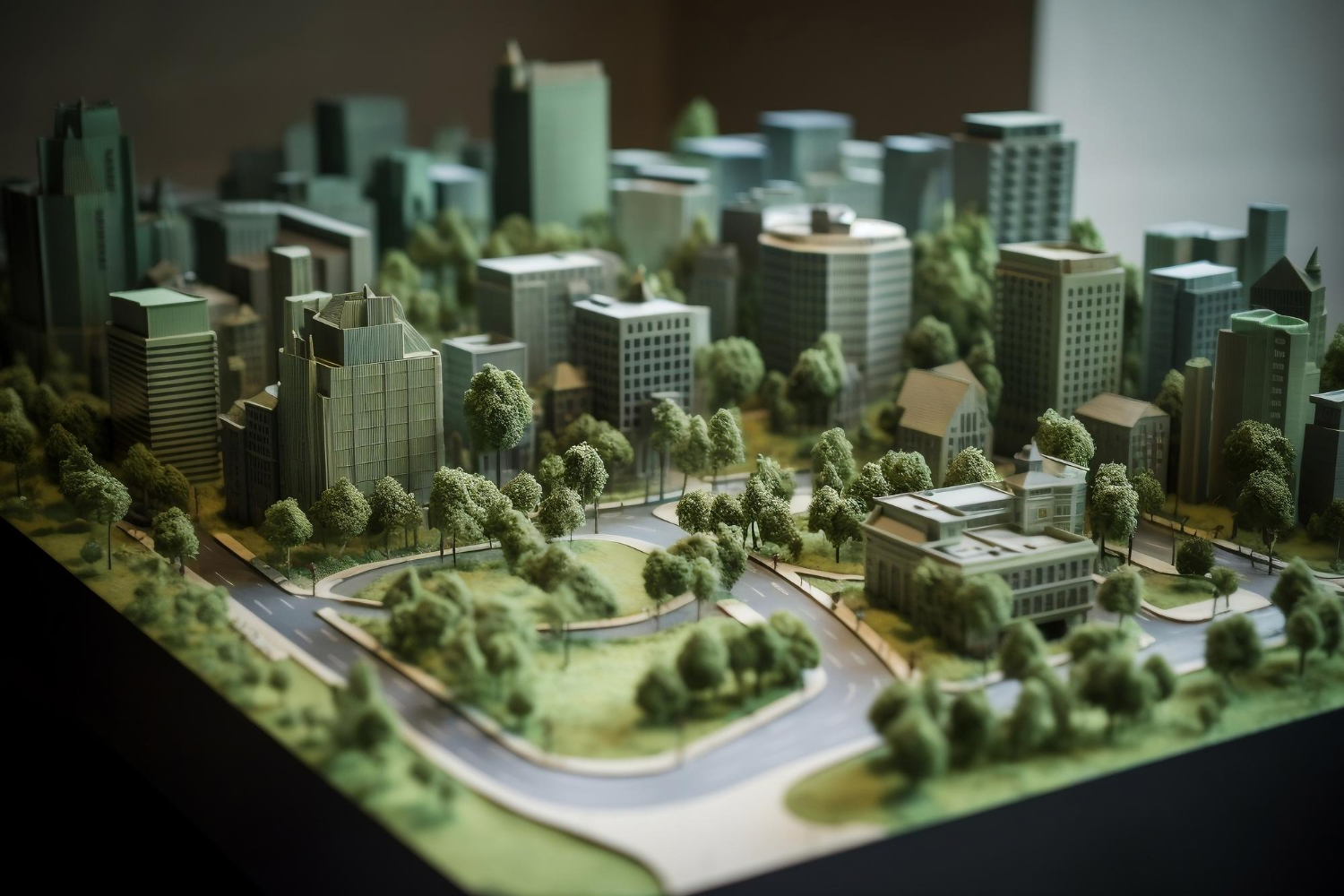
Project finance in urban areas in India refers to the financing method specifically tailored for large-scale infrastructure projects undertaken in urban settings such as cities and metropolitan regions.

Project Finance in Urban Area

In project finance, funding is typically raised based on the projected cash flows of the specific project itself, rather than relying solely on the creditworthiness of the project sponsors.

This means that the project assets and revenues generated are used as collateral for securing loans and investments.

In the context of urban areas in India, where there is a growing need for modernization, expansion, and improvement of infrastructure, project finance plays a crucial role in enabling the execution of these projects.

The involvement of various stakeholders including government bodies, private investors, financial institutions, and project developers is common in structuring project finance deals in urban areas.
For an Inquiry

Occupation
Nature of Loan
pscDiv2Img1.jpg

Following are the procedure steps:

1. Project Identification:

Identify the infrastructure project required in the urban area. This could be initiated by government agencies, private developers, or through public-private partnerships (PPP). Common projects include transportation systems, water supply, sanitation, energy infrastructure, and real estate development.

2. Feasibility Assessment:

Conduct a thorough feasibility study to assess the technical, economic, environmental, and social viability of the project. This includes analyzing market demand, cost estimates, revenue projections, regulatory requirements, environmental impact, and social implications.

3. Project Structuring:

Based on the feasibility study, structure the project to attract financing. This involves determining the project scope, legal structure, risk allocation, financing options, and contractual arrangements. It may also involve engaging legal advisors, financial consultants, and technical experts to develop a robust project structure.

4. Financing Arrangement:

Identify and secure financing for the project. This may involve a combination of debt and equity financing from various sources such as banks, financial institutions, private investors, and government agencies. Negotiate terms and conditions of financing agreements, including interest rates, repayment schedules, security arrangements, and covenants.

5. Regulatory and Approvals:

Obtain necessary regulatory approvals and permits from relevant authorities at the national, state, and local levels.

This may include environmental clearances, land acquisition approvals, zoning permissions, and construction permits.

6. Implementation:

Execute the project according to the agreed timeline and budget. This involves procuring materials, hiring contractors and subcontractors, managing construction activities, and ensuring quality control and safety standards are met.

7. Monitoring and Control:

Monitor project progress, costs, and performance throughout the implementation phase. Implement mechanisms for risk management, issue resolution, and change control to ensure the project stays on track and any deviations are addressed promptly.

8. Operations and Maintenance:

Once the project is completed, ensure proper operations and maintenance to sustain its functionality and longevity. This may involve establishing maintenance contracts, training personnel, and implementing asset management practices.

9. Revenue Generation:

Generate revenue from the project to service debt obligations and provide returns to equity investors. This could be through user fees, tolls, tariffs, leasing agreements, or government subsidies, depending on the nature of the project.

10. Project Evaluation:

Evaluate the project's performance against its initial objectives and assess its socio-economic impact on the urban area. Identify lessons learned and areas for improvement for future projects.

Why choose Livanity for Project Finance in Urban Area?

Livanity is a one-stop solution for all your financial needs. Here, we try to provide you best services that are hassle-free and quick in nature. For Project Finance in Urban Area, we provide you a comparative analysis of what different banks are offering. We also assist you in your final decision.

Here are a few reasons for you to apply for a Project Finance in Urban Area at Livanity:

Fast assistance:

At Livanity, you can contact us at any official working hours of the day.

Customer needs in forefront:

Your needs are our priority. We promise to deliver you with services that are best on our capabilities. By handpicking loan offers based on customer profile, we try to give you the most personalized experience.

Compare Offers Online:

With more than 100 lenders as partners, you can compare the different offers of financial institutions to make the right decision. In fact, we help you find the best lender as per your eligibility requirements. There is a personalized relationship lender for every customer who helps him/her select the bank of his/her choice.

Real-time customer support:

Our customer support team is fast and efficient to clear all your doubts regarding loan eligibility, procedures, offers, documentation and repayment options. We even contact with the respective lender on behalf of you.